
Keep It Cool: The Critical Role of Preventive Maintenance
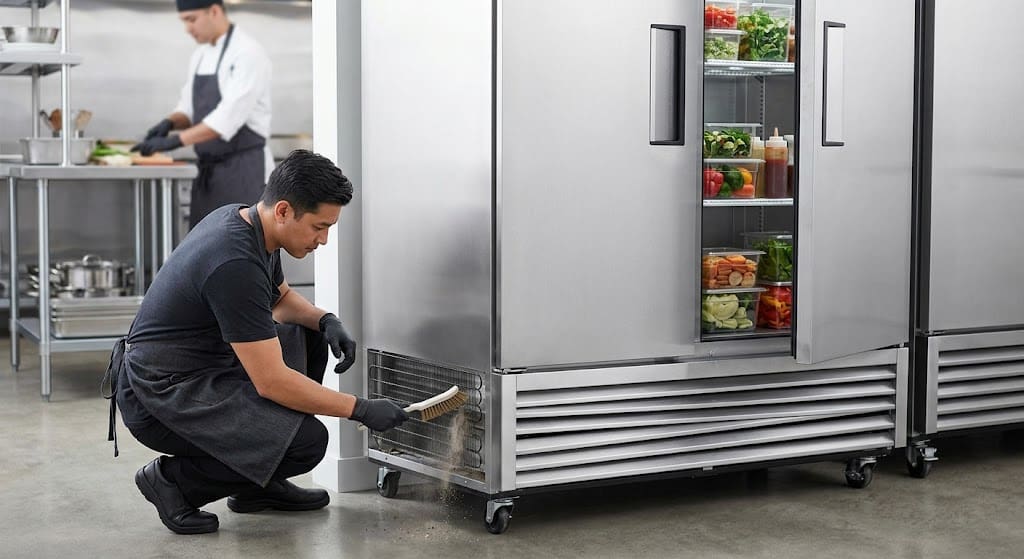
A reliable refrigeration system isn’t a luxury; it’s a lifeline. In the high-stakes environment of a professional kitchen or retail space, your bottom-mount upright units are the silent partners keeping your inventory safe and your doors open. However, even the most robust equipment requires consistent care to avoid the nightmare of a mid-shift breakdown.
Beyond simple mechanical failure, proper maintenance is directly tied to food safety and quality preservation.
The Science of Storage: Why It Matters
A well-maintained unit does more than just stay “cold.” It maintains a stable environment that protects the integrity of your ingredients. This is especially critical when storing acidic foods like sliced onions, tomato sauces, citrus bases, or pickled items.
If a refrigeration unit is struggling—due to dirty coils or failing gaskets—temperature fluctuations can occur. For acidic products, these shifts can accelerate oxidation and spoilage, leading to off-flavors or, worse, foodborne illness. Furthermore, acidic vapors can be corrosive; if a unit isn’t cleaned regularly, these vapors can contribute to the premature pitting and corrosion of internal metal components and shelving.
Easy Steps to Protect Your Investment
To keep your bottom-mount unit running at peak performance, incorporate these simple steps into your routine:
- Clean the Condenser Coils (Monthly): On bottom-mount units, the coils are close to the floor where they easily suck up dust, grease, and floor debris. Use a vacuum or a stiff brush to clear them. If the coils are clogged, the compressor works twice as hard, leading to a shorter lifespan and higher energy bills.
- Inspect and Clean Door Gaskets (Weekly): Wipe down the rubber seals with warm, soapy water. Cracked or dirty gaskets let cold air escape and moisture enter, causing unnecessary frost buildup.
- Clear the Drain Lines (Monthly): Ensure the condensate drain is clear of slime or food debris to prevent water from pooling at the bottom of the cabinet.
- Organize for Airflow: Never overstuff your shelves. Air must circulate freely around your products—especially those sensitive acidic ingredients—to maintain a uniform “safe zone” temperature.
The Professional Edge: Partnering for Success
While daily and weekly care is in your hands, the most successful operations know when to call in the experts. Working with a trusted service company to provide quarterly maintenance is the best way to safeguard your kitchen.
A professional technician can perform deep-level diagnostics that go beyond the surface, such as:
- Checking refrigerant charge levels.
- Oiling fan motors and inspecting electrical connections.
- Testing thermostat accuracy to ensure your tomato sauce stays at exactly 38°F.
- Identifying “silent” wear and tear before it turns into an expensive emergency repair.
By combining your team’s daily diligence with a professional quarterly service plan, you ensure that your refrigeration remains exactly what it should be: a reliable foundation for your business.
| Task | Frequency | Week 1 | Week 2 | Week 3 | Week 4 |
| Inspect & Clean Door Gaskets: Wipe with warm soapy water. Check for cracks or gaps. | Weekly | [ ] | [ ] | [ ] | [ ] |
| Check Internal Temperature: Confirm unit is holding at 38°F or below. | Daily | [ ] | [ ] | [ ] | [ ] |
| Clear Drain Lines: Ensure condensate is flowing freely and pan is clear. | Monthly | [ ] | — | — | — |
| Clean Condenser Coils: Vacuum/brush bottom-mount coils to remove dust/grease. | Monthly | [ ] | — | — | — |
| Airflow Check: Ensure items (onions, sauce, etc.) are 2″ away from walls/vents. | Weekly | [ ] | [ ] | [ ] | [ ] |
Quarterly Professional Service Log
Schedule with your trusted service partner every 3 months.
| Date | Service Company | Technician Name | Key Actions Taken |
| Check refrigerant & fan motors | |||
| Inspect electrical & thermostats | |||
| Deep clean internal components |
Pro-Tip for the Team:
Storing acidic foods like tomato sauce or sliced onions in airtight, non-reactive containers is just as important as the fridge temperature. This prevents corrosive vapors from damaging the unit’s shelving and internal metal over time!
Click Here To Download A Printable Version of the Maintenance Log